Best Vietnamese Textbooks for Learners (2026)
A good Vietnamese textbook gives you something no app can: a structured path through grammar and vocabulary that builds on itself lesson by lesson. Textbooks work offline, do not send you notifications, and let you annotate and revisit at your own pace.
This guide covers what to look for when choosing a Vietnamese textbook, explains the main book types and when to use each one, and shows how to make real progress with self-study.
On this pageTop Picks
These are the textbooks our community recommends most consistently, selected for clear structure, quality audio support, and strong usefulness for self-study.
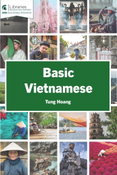
Basic Vietnamese is a free online textbook from Michigan State University Libraries for complete beginners and low-novice learners. It is written by Tung Hoang and works well if you want a structured starting point instead of scattered videos or phrase lists. You can read it online or download it in formats like PDF and EPUB on the book page.
Pros
- Free to read and download
- Clear beginner-friendly structure
- Audio with native speakers
- Strong pronunciation coverage
Cons
- Limited real conversation practice
- Few independent user reviews
- Not much advanced content
This is a free public-domain FSI course hosted by Live Lingua. It is a 247-page Vietnamese study manual aimed at beginners, especially learners who want a structured, old-school introduction to Southern Vietnamese and do not mind a drill-heavy approach.
Pros
- Free full PDF
- Structured lesson progression
- Strong pattern drills
- Includes glossary and phrases
Cons
- No audio for this title
- Dated teaching style
- Repetitive exercises
- Limited modern context
This is a free old-school Vietnamese course book hosted by Live Lingua. It repackages the Foreign Service Institute materials into two volumes with a student text and matching audio. If you want a structured beginner course and do not mind a dated teaching style, it is a solid option, especially if you want Southern Vietnamese pronunciation.
Pros
- Free PDF and audio
- Lots of pronunciation practice
- Structured lesson progression
- Strong drill-based speaking practice
Cons
- Dated language and style
- Heavy repetition
- Not very conversational
- Limited reading focus
The DLI Vietnamese Language Phonology Course on Live Lingua is a free 62 page pronunciation workbook paired with five audio tracks. It is aimed at learners who want a structured introduction to Vietnamese sounds and tones, especially if you are just starting out and want to train your ear before moving into bigger lessons.
Pros
- Free PDF and audio
- Clear sound and tone focus
- Structured drill based practice
- Includes pronunciation recorder
Cons
- Content is dated
- Very narrow scope
- Not conversation focused
- Little vocabulary support
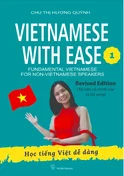
Vietnamese for Beginners is a paperback textbook for complete beginners who want a structured start. It is designed for English speakers and works both for self-study and as a classroom supplement. If you want one book that walks you through pronunciation, basic grammar, and everyday dialogues, this is the kind of resource it aims to be.
Pros
- Clear pronunciation focus
- Free audio included
- Downloadable flashcards
- Structured beginner progression
Cons
- Limited independent reviews
- No live speaking feedback
- Dialect not clearly specified
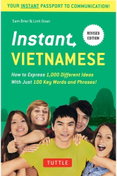
Instant Vietnamese is a small paperback phrasebook for complete beginners who want quick, practical Vietnamese rather than a full course. It is aimed mostly at travelers and short-term visitors, or anyone who wants a lightweight book they can carry around easily. If you want a book for grammar study or long-term progression, this is probably too limited on its own.
Pros
- Very portable pocket format
- Useful travel phrase focus
- Includes MP3 audio
- Covers Northern and Southern
Cons
- Limited grammar depth
- Not enough for serious study
- Some reported typos
- Little reading practice
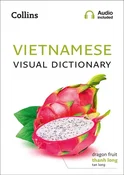
This is a pocket-sized visual dictionary from Collins for learners who want practical Vietnamese words and short everyday phrases without working through a full course. It is especially useful if you are a beginner, a traveler, or someone who likes learning through pictures instead of long explanations. You can see the official book page on the Collins website.
Pros
- Clear topic-based vocabulary
- Helpful photos for word meaning
- Free native-speaker audio
- Pocket-sized and easy offline
Cons
- Very limited grammar support
- No real conversation practice
- Less useful for advanced learners
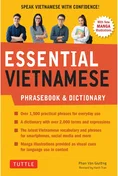
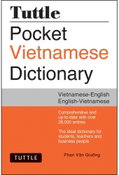
This is a small paperback phrasebook and mini dictionary for learners who want quick, practical Vietnamese rather than a full course. It is aimed at beginners and travelers, and Tuttle lists it as a 192-page book with over 1,500 sentences and more than 2,000 terms and expressions.
Pros
- Portable offline reference
- Useful travel and daily phrases
- Includes mini dictionary
- Clear beginner-friendly notes
Cons
- Limited speaking practice
- No audio support
- Not a full course
- Light grammar coverage
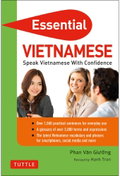
Essential Vietnamese is a small paperback reference book from Tuttle for beginners, travelers, and anyone who wants a quick way to look up useful Vietnamese. It is not a full textbook. Instead, it gives you ready-to-use phrases, a compact dictionary, and short notes on grammar and pronunciation. You can see the current edition on Tuttle's site.
Pros
- Easy to carry
- Fast phrase lookup
- Useful travel topics
- Basic grammar notes included
Cons
- Not a structured course
- Limited pronunciation support
- Little advanced content
- No conversation practice
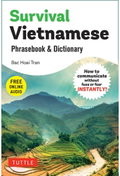
This is a small travel phrasebook for beginners who want quick Vietnamese for real situations, not a full language course. On the Tuttle page, it is listed as a 192 page paperback published on November 25, 2025. If you want something you can toss in a bag and use on a trip, it fits that job well.
Pros
- Pocket-sized and portable
- Useful travel phrases
- Phonetic spellings included
- Mini dictionary at back
Cons
- Not a full course
- Limited grammar explanation
- Little real practice
- Travel focus is narrow
Instant Vietnamese is a small paperback phrasebook for complete beginners who want quick, practical Vietnamese rather than a full course. It is aimed mostly at travelers and short-term visitors, or anyone who wants a lightweight book they can carry around easily. If you want a book for grammar study or long-term progression, this is probably too limited on its own.
Pros
- Very portable pocket format
- Useful travel phrase focus
- Includes MP3 audio
- Covers Northern and Southern
Cons
- Limited grammar depth
- Not enough for serious study
- Some reported typos
- Little reading practice
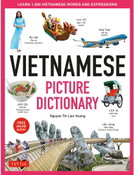
Vietnamese Picture Dictionary is a hardcover picture dictionary for beginners who want to build everyday vocabulary in a simple, visual way. It works well if you like learning by topic instead of through long grammar lessons. The book is especially useful for self-study, family learning, or travel prep, but it can also fit nicely alongside a more structured course.
Pros
- Clear topic-based vocabulary
- Free native-speaker audio
- Lots of color photos
- Beginner-friendly layout
Cons
- Limited grammar depth
- Not a full course
- No real speaking practice
- No dialect focus stated
This is a small paperback Vietnamese-English and English-Vietnamese dictionary for learners who want quick word lookups without using an app. It fits best if you are a beginner or lower-intermediate learner, or if you want something portable for travel and everyday reference.
Pros
- Compact and portable
- Two-way dictionary sections
- Offline reference
- Romanization plus quốc ngữ
Cons
- Limited grammar support
- Few learning examples
- No listening practice
- Not enough for advanced study
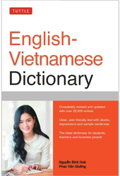
This is a print English to Vietnamese dictionary from Tuttle Publishing, first published in this edition on February 2, 2016. It is aimed at English speakers learning Vietnamese, and it also works for Vietnamese speakers who want English support. If you want a physical reference book on your desk for quick word checks, this is the kind of book it is.
Pros
- 18,000 entries
- Includes idioms and sample sentences
- Useful offline reference
- Clear paperback format
Cons
- Not a complete learning course
- No audio or pronunciation support
- Can miss advanced usage
- Best with a second reference
This is a small paperback bilingual dictionary from Collins for learners who want a simple Vietnamese reference book they can keep nearby. It works best for beginners and lower intermediate learners who need fast English-Vietnamese and Vietnamese-English lookup rather than full lessons or deep explanations.
Pros
- Portable paperback format
- 30,000 translations
- Includes short grammar notes
- Useful offline reference
Cons
- No audio or pronunciation help
- Limited depth for advanced study
- Not a structured course
- Few usage examples
This is a paperback reader for Vietnamese learners who want more practice with real text, not just isolated words or phrase drills. Tuttle lists 40 traditional folktales presented in Vietnamese and English on facing pages, plus a glossary and free online audio. It works best for learners who already know the alphabet and want guided reading support.
Pros
- Facing-page translations
- 40 stories with audio
- Vocabulary and exercises included
- Useful cultural notes
Cons
- Not a full course
- Limited speaking practice
- Folktale language
- not everyday speech
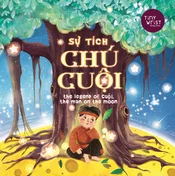
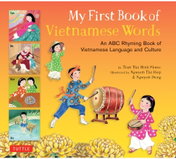
This is a bilingual Vietnamese-English children's picture book about Chú Cuội, the man on the moon, a story closely tied to the Mid-Autumn Festival. It fits best if you want a gentle introduction to Vietnamese through a familiar folktale, especially for kids, heritage families, or beginners who like learning with short texts and illustrations.
Pros
- Bilingual Vietnamese and English text
- Good cultural context for Trung Thu
- Kid-friendly picture book format
- Hardcover and ebook options
Cons
- Only one short story
- No structured language lessons
- Limited grammar practice
- English reduces full immersion
2. Tấm and Cám
Tấm and Cám is a bilingual Vietnamese-English picture book by Jessie Duong for young children, especially ages 3 to 6. It retells the well-known Vietnamese folktale in a simpler, gentler way, so it works well for family read-alouds, heritage learners, and beginners who want very easy reading practice with support from English.
Pros
- Simple bilingual text
- Good for read-aloud practice
- Introduces Vietnamese folklore
- Child-friendly story format
Cons
- Very limited language depth
- No audio support
- No exercises or notes
- Little value for advanced learners
Sunita Makes Friends is a bilingual English-Vietnamese picture book from Mantra Lingua for children ages 3 to 6. It works best for families, teachers, or heritage learners who want a very gentle way to read Vietnamese alongside English. The story is simple and child-friendly, so complete beginners can follow it with help from the pictures and the parallel text.
Pros
- Bilingual English Vietnamese text
- Good for shared reading
- Simple story for ages 3 to 6
- PENpal audio support
Cons
- Not a structured course
- Very limited grammar support
- Little speaking practice
- Best for very young children
This is a bilingual English Vietnamese children's picture book from Mantra Lingua by Fang Wang. It follows Li and his family as they get ready for Chinese New Year, so you get a short story built around familiar holiday activities like cleaning the house, putting up decorations, flying kites, and watching fireworks. If you want very gentle Vietnamese reading practice with lots of visual support, it fits well.
Pros
- Easy bilingual reading practice
- Helpful illustrations for context
- Includes cultural facts and activities
- Good for young learners
Cons
- Very limited grammar support
- No speaking practice
- Too basic for advanced learners
This is a 30-page bilingual Vietnamese-English board book by Jessie Duong, published through embebooks. It is made for children and families who want a simple way to talk about Tết and the Vietnamese zodiac together. If you are a beginner or you are reading with a child, it is easy to pick up and use.
Pros
- Bilingual Vietnamese and English text
- Teaches 12 zodiac animals
- Includes simple Tet greetings
- Sturdy board book format
Cons
- Very limited language depth
- No audio or pronunciation support
- Little grammar explanation
- Best suited to children
Choosing a Textbook
Most Vietnamese textbooks on the market are decent, but a few qualities separate the ones that actually move you forward from the ones that collect dust. Check these four things before you buy.
Audio is not optional
Vietnamese is tonal, and reading a word is completely different from hearing it. A textbook with companion audio recordings lets you hear tone and vowel distinctions in real native speech, not just read descriptions of them. If a textbook has no audio, you will need to actively supplement it with listening practice from day one — a language app can fill that gap.
Check the dialect
Most textbooks default to one dialect, usually Northern, without saying so on the cover. Pronunciation guidance differs between Hà Nội and Hồ Chí Minh City, and mixing dialects creates real confusion early on. Decide which dialect fits your situation, then confirm your textbook matches it.
Exercises with answers
A good self-study textbook includes the correct answers to its exercises somewhere in the textbook, so you can check your work immediately. Many textbooks designed for classroom use leave this out, expecting a teacher to provide corrections. If you are studying alone, a textbook with no way to verify your answers is a serious downside.
No phonetic shortcuts
Some textbooks write Vietnamese words using simplified English-style spelling so beginners can guess pronunciation without learning the real characters. This feels easier at first but creates bad habits that are hard to undo. Choose a textbook that shows actual Vietnamese spelling, with all the accent marks, from the very first lesson.
Book Types
Not all Vietnamese books serve the same purpose. Understanding what each type is for helps you build the right combination for your level and goal.
| Type | Best for | What to look for |
|---|---|---|
| Course book | Building a structured foundation from zero | Short lessons, progressive grammar, dialogs, exercises, answer key |
| Grammar reference | Understanding why patterns work | Organized by structure, clear English explanations, examples in real sentences |
| Workbook | Reinforcing what you have already learned | Varied drills, reading and writing exercises, full answer key |
| Phrasebook | Travel and quick everyday needs | Grouped by situation, phonetic guidance, compact and portable |
| Graded reader | Building reading fluency at your level | Level-controlled vocabulary, full Vietnamese script, short focused texts |
How to Study with a Textbook
The right textbook helps, but it does not automatically produce progress. What moves you forward is what you do with it every day. These three habits make the difference between a textbook that sits on your shelf and one that actually teaches you Vietnamese.
Short sessions, every day
Twenty minutes daily beats two hours on Saturday. Language learning relies on spaced repetition: your brain needs to encounter material again just as it is starting to forget it. Short daily sessions give your brain more consolidation cycles than one long weekly block ever can.
Say everything out loud
Textbook dialogs are designed to be spoken, not silently read. Listen to each line first, then repeat it immediately. Vietnamese tones and vowels are physical habits that need repeated spoken output to become automatic. Passive recognition is not the same as being able to produce the sound on demand.
Finish before you switch
Every good textbook has a slow middle where the novelty fades and lessons feel harder. That is when most learners abandon ship and start a new textbook, losing all their accumulated progress. Set a high bar before switching: if a textbook is not actively harmful, finishing it is almost always the better choice.
FAQ
Want to Discover More?
Explore our hand-picked learning resources in the library. Browse the full library with filters for dialect, skills and more, to find the best resources for your learning goals.