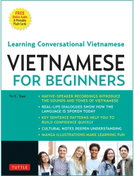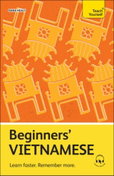

Best Resources for Beginners

Vietnamese is very learnable as a beginner, but the first weeks matter. Tones, vowels, and the writing system can either become a strong base or a long-term headache. This page gives a beginner-friendly path and points you to the most useful resource types in our library: course-style lessons, pronunciation tools, dictionaries, listening materials, and guided practice.

On this page

A Simple 8-Week Plan

You do not need a complex system. You need consistent listening, controlled speaking, and small amounts of reading with diacritics from day one. This plan assumes 30–45 minutes per day.

Week 1-2: Sounds and survival patterns

Learn the main vowel groups and the tone marks in spelling. Practice a few common examples each day. Use a beginner dialog course for greetings, names, simple questions, and numbers. Aim for clarity, not speed. Short phrases you can say clearly are better than long word lists.

Week 3-4: Repeatable dialogs and micro-writing

Stick to one main course and build reusable phrases for buying things, ordering food, asking directions, and daily routines. Add a little writing. Write three to five sentences per day using patterns you already learned. Include the tone marks. Use a dictionary to confirm meaning and spelling, then return to your lesson.

Week 5-6: Listening that forces attention

Add short audio made for learners. Choose clips that are slow and clearly explained. Listen once, read the transcript, then listen again. After that, repeat three to five lines out loud. If you can, get feedback once a week from a tutor or native speaker to correct tone and vowel errors early.

Week 7-8: Scale up with a stable daily stack

Keep your main course and add very easy reading with support, such as glosses, translations, or audio. Keep practicing pronunciation, especially tones and vowels. Start a small spaced-repetition deck only for sentences you truly use, not random word lists.

Pronunciation First

Beginners progress faster when they treat pronunciation as a daily habit. Vietnamese meaning depends on tone marks and vowel quality, so close enough often is not close enough.

Learn diacritics as spelling

Do not treat tone marks as optional decorations. They are part of the word. Read with diacritics every day so your brain stops skipping them.

Vowels before speed

Most beginner errors come from vowel quality and tone. Practice the sounds that feel similar to you. Slow down and produce clean vowels. Speed comes later.

Shadow short lines

Choose a few short lines of audio. Listen, then repeat immediately. Record yourself occasionally to catch tone drift and unclear vowels.

Daily Study Stack

If you only do one thing, do a short, repeatable routine. This stack avoids common beginner traps: too much vocabulary, not enough listening, and inconsistent pronunciation.

10–15 min: Main course lesson

Follow one structured beginner course. Repeat dialogs and pattern drills. Avoid switching courses constantly. Consistency beats novelty.

10–15 min: Listening and shadowing

Use learner-friendly audio with transcripts when possible. For a short section, listen, read, listen again, then repeat it out loud.

5–10 min: Output

Produce three to five sentences using patterns you know. Keep it small so you can correct it. If possible, get corrections weekly from a tutor, partner, or community.

FAQ

Start with one structured main path, such as a beginner course or a beginner textbook, and pair it with daily listening. Apps are useful for repetition and habit-building, but many beginners stall if they use only an app without focused pronunciation and real dialogs. A good combo is one course, short daily listening, and a dictionary for quick lookups.

Learn tones alongside your first vocabulary, not months before. Practical approach: learn the tone marks in spelling, practice tones and vowels in short words, and keep revisiting them through dialogs. Early tone awareness prevents fossilized mistakes that are hard to fix later.

Choose the dialect you will actually use, based on your family, partner, or where you spend time. Written Vietnamese is largely shared nationwide, but pronunciation and common everyday choices differ. The most important thing is consistency. Stick to one dialect for pronunciation guidance and audio during the beginner stage.

The most common mistakes are ignoring tones and diacritics, learning isolated word lists without sentence patterns, and not listening daily. Another trap is switching resources every few days. Pick one main course, repeat dialogs, and add small extras only when you can sustain them.

Tracking sentences is usually more useful than tracking words. Aim for five to ten high-utility sentences you can pronounce and reuse, such as greetings, requests, simple questions, and daily routines. Vocabulary learned inside repeatable sentences sticks better and improves speaking faster.

Yes, but keep it small and sentence-based. Use Anki for short sentences you actually say, ideally with audio, and avoid adding large decks of random single words. If reviews become stressful, reduce new cards and focus more on listening and dialog repetition.

Use a dictionary that is fast, clear, and gives example phrases when possible. Beginners benefit from tools that help confirm spelling and show common word combinations. Do not over-translate. Look up what you need, then return to the sentence you are learning.

Start early with very short, level-controlled texts and reread them. Reading reinforces tones and vowels through spelling, but it must be easy enough that you are not checking every word. If you want reading practice, look for graded readers or beginner passages with audio.

Look for practical wins. You pronounce your core sentences more clearly, understand more of a repeated dialog, and answer simple questions without translating word by word. Progress looks like faster comprehension of familiar patterns, not perfect knowledge of every grammar rule.
Explore More

Want to Discover More Beginners and Resources?

Explore our hand-picked study resources in the library. Browse the full library with filters for dialect and more, to find the best resources for your goals.

Want to stay in the loop?

Subscribe to our newsletter! We promise we won't spam you. You'll receive one email a month at most.