
Learn Northern Vietnamese: Dialect, Tones and Pronunciation

Northern Vietnamese (Hà Nội dialect) is often considered the “standard” dialect. It’s the variety most textbooks and exams are based on, and it’s widely understood across Vietnam. If you’re just starting out, Northern can be a solid choice to build clear pronunciation and strong fundamentals.
On this pageQuick Facts
How it sounds
Northern Vietnamese keeps all six tones distinct in everyday speech. Many learners find the tone contrast easier to hear, which helps with listening and pronunciation.
How it's used
Common in education, national media, and formal settings. Because many courses use a Northern accent, it is easier to find consistent audio and pronunciation guidance.
Where it's used
Spoken in Hà Nội and across much of Northern Vietnam. It is widely understood nationwide, so it works well for travel, study, and general communication.
Southern comparison
Compared to Southern Vietnamese, you will often hear sharper tone separation and clearer syllable endings. Vocabulary differs a little, but speakers usually understand each other well.
How to Learn Northern Vietnamese
Northern Vietnamese is widely taught, but progress depends on consistency. Use Northern audio for listening and shadowing, train tone pairs early, and practice with speakers who give feedback in the same dialect. This reduces confusion when you move from study materials to real conversations.
Use Northern audio
Choose one main course or teacher with a Northern accent and stick with it. Add extra listening from Northern podcasts, news clips, and YouTube channels. Consistency matters more than the specific resource.
Train the 6 tones early
Northern speech keeps all six tones distinct, including hỏi and ngã. Use short repetition drills and listening to the same syllable with different tones to build a reliable ear. This prevents “tone guessing” later.
Practice with Northerners
Work with a Northern tutor or language partner so your pronunciation feedback matches your target dialect. If you’ll spend time in Hà Nội or the North, even a few weekly conversations make your listening and speaking feel more natural.
Top Picks
Northern Vietnamese is the most widely taught dialect, so there are plenty of resources to choose from. These are the ones our community like the most for learners focused on the Northern dialect.

1. Glossika
Glossika is a mobile app for learners who want to build Vietnamese through lots of listening and repetition rather than long grammar lessons. For Vietnamese, it offers separate Northern and Southern courses, so it is one of the few apps that lets you choose the dialect you want to hear. You can start from zero or take a placement test, which makes it usable for beginners as long as you are comfortable learning through patterns and repetition.
Pros
- Northern and Southern Vietnamese
- Strong native audio focus
- Good for daily repetition
- Offline study available
Cons
- Exercises can feel repetitive
- Limited explicit grammar teaching
- No live conversation practice
- Pricey subscription

2. Podglot
Podglot is a mobile app for learners who want quick, practical Vietnamese study on their phone. It is aimed at beginners, travelers, expats, and anyone who wants useful words and phrases rather than a heavy textbook approach. If you want short sessions focused on listening, speaking, and core vocabulary, this is the kind of app it is.
Pros
- Free to download
- Northern and Southern audio
- Built-in AI chat practice
- Good for short daily study
Cons
- No human teacher interaction
- Grammar depth looks limited
- Store listings conflict on content size

3. Lingora
Lingora is a mobile app for beginners who want a more structured Vietnamese course than a simple phrase app. The Vietnamese course is built around 500 short lessons that aim to take you from zero to about A1 level. A nice detail is that it offers both Northern and Southern Vietnamese, which is still uncommon in beginner apps.
Pros
- Northern and Southern audio
- Clear word-by-word explanations
- Structured beginner lesson path
- Free version available
Cons
- Mostly limited to A1
- No real conversation practice
- Less useful for advanced learners

4. PhoSpeak
PhoSpeak is a mobile Vietnamese course for learners who want practical spoken language, especially beginners getting ready for daily life in Vietnam. The app teaches with a Northern accent and says it assumes zero prior knowledge, so you can start from tones and basic phrases instead of jumping into grammar first.
Pros
- Clear tone practice tools
- Teacher-led video lessons
- Free tier available
- Practical everyday topics
Cons
- Northern accent only
- Few independent user reviews
- Limited advanced depth

5. VMonkey
VMonkey is a mobile app for preschool and primary-age children who are learning to read Vietnamese. It is built by Early Start as part of the Monkey learning ecosystem, and it is much more focused on literacy than on everyday conversation. If you want a child-friendly app with stories, read-aloud audio, and structured phonics practice, this is the kind of resource it is. If you are an adult learner, it will likely feel too young and too school oriented.
Pros
- Child-friendly reading practice
- Interactive stories and audiobooks
- Curriculum-based phonics lessons
- Northern and Southern accents
Cons
- Designed mainly for children
- Limited speaking practice
- Not suited to adult learners
- Full library needs subscription
Actually Understand Vietnamese is a YouTube-based resource for learners who want more understandable Vietnamese from day one. It is aimed at beginners through intermediate learners, and most of the library uses Southern Vietnamese, with a smaller set of Northern videos. If you learn best by listening to real speech instead of memorizing isolated phrases, this is the kind of channel to look at.
Pros
- Good graded listening content
- Mostly Southern accent
- Free videos on YouTube
- Helpful study tools on site
Cons
- Limited speaking practice
- Less Northern content
- Full library needs membership

Lazy Vietnamese is a free YouTube channel for learners who want more understandable Vietnamese from day one. It focuses on comprehensible input, so you get simple stories and visual support instead of long English explanations. That makes it a strong fit if you are a beginner who wants to train your ear and pick up words through repeated exposure. The main channel is here.
Pros
- Free listening practice
- Slow, understandable Vietnamese
- Visual, story-based format
- Vietnamese captions included
Cons
- No speaking feedback
- Not a full course
- Little explicit grammar teaching

vietnamesewithhue is a free YouTube channel for beginners who want to learn Vietnamese through short, focused lessons. The material is aimed at learners starting from zero and uses a Northern accent. If you want simple explanations in English and a YouTube format you can dip in and out of, it fits that need well.
Pros
- Free to use
- Northern accent focus
- Clear sentence pattern lessons
- Good beginner entry point
Cons
- No speaking feedback
- No live practice
- Limited built-in exercises
Learning Vietnamese Network is a small free YouTube channel for learners who want help with the sound system of Vietnamese. It is most useful for beginners who need a clearer start with the alphabet, consonants, vowels, tones, and basic reading practice before moving into longer lessons or conversation.
Pros
- Free pronunciation practice
- Good tone and vowel focus
- Includes accent comparison videos
- Beginner friendly topics
Cons
- Limited content library
- Not a full course
- Little grammar instruction
- No conversation practice

5. Langiri
Langiri’s YouTube channel is a listening-first Vietnamese resource for learners who want short, understandable videos instead of long lessons. It works especially well if you like learning through context, repetition, and everyday topics rather than heavy grammar teaching. Beginners can start with introductory and beginner videos, and there is enough range for lower intermediate learners too.
Pros
- Free listening practice
- Short graded videos
- Northern and Southern accents
- Good beginner topic range
Cons
- Not a full course
- No real speaking practice
- Limited explicit grammar teaching
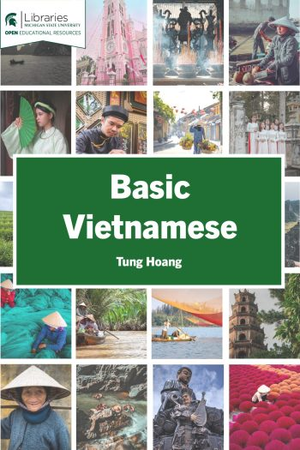
Basic Vietnamese is a free online textbook from Michigan State University Libraries for complete beginners and low-novice learners. It is written by Tung Hoang and works well if you want a structured starting point instead of scattered videos or phrase lists. You can read it online or download it in formats like PDF and EPUB on the book page.
Pros
- Free to read and download
- Clear beginner-friendly structure
- Audio with native speakers
- Strong pronunciation coverage
Cons
- Limited real conversation practice
- Few independent user reviews
- Not much advanced content
2. Glossika
Glossika is a mobile app for learners who want to build Vietnamese through lots of listening and repetition rather than long grammar lessons. For Vietnamese, it offers separate Northern and Southern courses, so it is one of the few apps that lets you choose the dialect you want to hear. You can start from zero or take a placement test, which makes it usable for beginners as long as you are comfortable learning through patterns and repetition.
Pros
- Northern and Southern Vietnamese
- Strong native audio focus
- Good for daily repetition
- Offline study available
Cons
- Exercises can feel repetitive
- Limited explicit grammar teaching
- No live conversation practice
- Pricey subscription
3. Lingora
Lingora is a mobile app for beginners who want a more structured Vietnamese course than a simple phrase app. The Vietnamese course is built around 500 short lessons that aim to take you from zero to about A1 level. A nice detail is that it offers both Northern and Southern Vietnamese, which is still uncommon in beginner apps.
Pros
- Northern and Southern audio
- Clear word-by-word explanations
- Structured beginner lesson path
- Free version available
Cons
- Mostly limited to A1
- No real conversation practice
- Less useful for advanced learners
4. PhoSpeak
PhoSpeak is a mobile Vietnamese course for learners who want practical spoken language, especially beginners getting ready for daily life in Vietnam. The app teaches with a Northern accent and says it assumes zero prior knowledge, so you can start from tones and basic phrases instead of jumping into grammar first.
Pros
- Clear tone practice tools
- Teacher-led video lessons
- Free tier available
- Practical everyday topics
Cons
- Northern accent only
- Few independent user reviews
- Limited advanced depth

VietnamesePod101 is a lesson-based website for learners who want guided Vietnamese study without building their own plan from scratch. It works especially well for beginners and lower intermediate learners who like learning through short audio and video lessons with English support. If you want a mix of listening, vocabulary, grammar, and pronunciation in one place, this is a practical option.
Pros
- Free plan available
- Large structured lesson library
- Transcripts and lesson notes
- Optional teacher feedback
Cons
- Best tools need paid plan
- Limited real conversation practice
- Some dialogues feel textbook-like
This is a free Anki deck for learners who want a big bank of Northern Vietnamese vocabulary to review with spaced repetition. It was shared on Reddit by a learner who converted eriinnye's Northern Vietnamese Memrise course into an Anki format, so it suits people who already like learning through flash cards and daily reviews.
Pros
- Free to download
- Large structured vocab deck
- Lots of native audio
- Good for daily review
Cons
- No grammar instruction
- No conversation practice
- Northern dialect only
- Very large deck
This is a free shared Anki deck on AnkiWeb for learners who want to study Northern Vietnamese vocabulary, especially Hanoi-style usage. It makes the most sense if you already like learning with flashcards and want a ready-made deck instead of building your own from scratch.
Pros
- Free to use
- Northern dialect focus
- Easy daily review
- Works well with Anki routine
Cons
- No full lesson structure
- Limited beyond vocabulary
- No conversation practice
- Quality depends on shared deck
This is a free Anki deck for English speakers who want a basic Northern Vietnamese vocabulary deck with audio support. It works best if you already like studying with flash cards and want something simple to review every day. Beginners can use it, but it is not a full course, so you will still need other resources for grammar and conversation.
Pros
- Free to use
- 1,096 cards
- Audio on most cards
- Tone color coding
Cons
- Not a structured course
- Limited grammar support
- No speaking practice
- Some cards lack audio
This is a community-made Anki deck for learners who want beginner Northern Vietnamese vocabulary with audio. It is a good fit if you already use Anki and want a ready-made deck instead of building your own cards from scratch.
Pros
- Free to download
- Northern audio on cards
- Example sentences included
- Good beginner vocabulary base
Cons
- Not a complete course
- No speaking practice
- Limited grammar support
- Project is unfinished
This is a free Vietnamese Anki deck you download from AnkiWeb and study inside Anki. It is mainly for learners who want a structured way to review words and short phrases over time instead of making every card themselves. It fits best if you already like flashcards and want a study routine you can keep up consistently.
Pros
- Free to download
- Systematic spaced repetition
- Good for daily review
- Builds vocabulary and phrases
Cons
- No conversation practice
- Not a full course
- Limited grammar explanation
Pronunciation
Northern Vietnamese often sounds clear because tones have strong contrast and syllable endings are usually pronounced distinctly. The most useful differences for learners are tones, initial consonants, and syllable endings, and some details can change between careful and casual speech.
Tones
Northern Vietnamese keeps all six tones distinct in everyday speech. A key difference from Southern Vietnamese is that hỏi and ngã do not merge, so learners should train both the pitch shape and the overall feel of each tone.
For many Northern speakers, voice quality is part of the tone. Ngã may sound creaky or include a brief glottal catch, and nặng often sounds short with a sharp cut off. If this feels difficult at first, focus on pitch and timing, then add voice quality as your ear improves.
Hỏi vs. ngã
In Northern Vietnamese, mả and mã do not sound the same. Hỏi often sounds like a dip, while ngã often rises and may include creaky voice or a brief glottal catch. Train with minimal pairs and slow shadowing, then speed up once the contrast feels stable.
Nặng tone
Northern nặng is usually short and heavy, and it often ends with an abrupt cut off. Keep the vowel brief and controlled, avoid adding an extra rise at the end, and practice nặng in short phrases so it stays natural.
Initial consonants
Northern Vietnamese consonants are often taught with clear spelling based distinctions, but Hà Nội speech can sound different in careful and casual styles. Some pairs stay distinct in careful speech but merge in faster speech, so it helps to recognize both and still spell correctly.
D and GI sound like Z
In the North, d and gi often sound like an English z, and you will hear this consistently in Hà Nội media and many teachers speech. Keep the spellings distinct even though the sound is the same.
R is distinct
The letter r varies by speaker in Northern Vietnam. In careful speech it can sound different from d and gi, but in casual Hà Nội speech it can also sound very similar. For learners, focus on understanding and keep the correct spelling as you learn.
CH and TR, S and X
Many courses teach ch and tr as separate sounds, and they also teach s and x as separate sounds. In practice, many Northern speakers merge these pairs in casual speech, so learn the careful distinctions for spelling and learn to recognize the merged versions for everyday listening.
Syllable endings
Northern Vietnamese often keeps final consonants audible, so endings like -n and -ng, and -t and -c, are often pronounced clearly even in faster speech. Final stops are usually unreleased, so you stop the airflow without adding a new vowel.
For practice, record short sentences and check that you can hear the ending in your own speech. This improves intelligibility quickly and helps you catch word boundaries while listening.
Words & Phrases
Northern Vietnamese shares most vocabulary with the rest of the country, but a few everyday words are different. The table below shows common examples you will hear often, and there are many more. Once you learn a few of these, it becomes easier to recognize regional vocabulary while listening.
| English | Northern | Southern | Notes |
|---|---|---|---|
| yes | vâng | dạ | There are multiple ways to say yes, this is a common formal way to say yes |
| bowl | bát | chén | |
| father | bố | ba | |
| mother | mẹ | má | |
| fruit | quả | trái | Used as the word and classifier for fruit |
| cup or glass | cốc | ly | |
| flower | hoa | bông | |
| pig | lợn | heo | |
| traffic jam | tắc đường | kẹt xe | |
| hat | mũ | nón |
Politeness and particles
Northern Vietnamese often uses ạ to sound polite, especially with elders or in formal situations. You’ll also hear sentence endings like nhé (soften a request) and nhỉ (seek agreement).
Everyday choices
Northern speech tends to use forms like tôi for I more often in neutral contexts. In casual settings you may still hear shorter or playful variants depending on region and age. If you learn from Hà Nội media, these patterns will become familiar quickly.
FAQ
Want to Discover More?
Explore our hand-picked learning resources in the library. Browse the full library with filters for dialect, skills and more, to find the best resources for your learning goals.